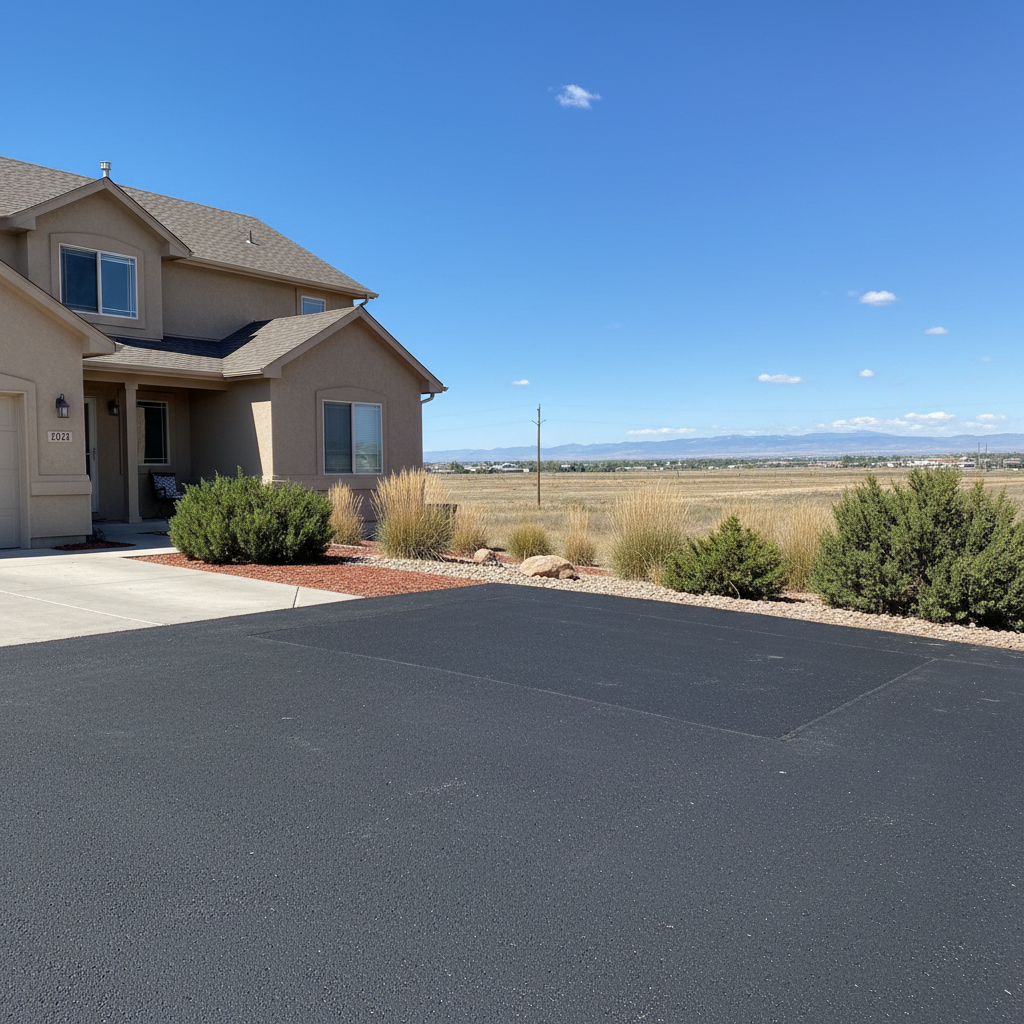
Alright, let's talk about keeping your asphalt in Northglenn looking good and lasting a long time. We all know how Colorado weather can be, don't we? One day it's 70 degrees, the next it's snowing, and then the sun's beating down like crazy. That kind of wild swing is brutal on pavement. If you don't stay on top of things, those small cracks can turn into big headaches fast.
I've seen it countless times across the Front Range, from the older neighborhoods with big, mature trees in Northglenn to the newer developments right off I-25. People get their asphalt fixed, and then they just forget about it. But just like anything else you want to last, asphalt needs a little love and attention. Here's what you need to know to make your asphalt repairs last longer and keep your property looking sharp.
Making Your Asphalt Work Last Longer
You just spent money getting your asphalt fixed, right? Naturally, you want that repair to hold up. The biggest enemy of asphalt here in Colorado is water, especially with our constant freeze-thaw cycles. Water sneaks into tiny cracks, freezes, expands, and then thaws, leaving behind bigger cracks and eventually potholes. It's a truly nasty cycle.
- Sealcoating is your best friend: Think of sealcoating as sunscreen and a raincoat for your asphalt. It puts a protective layer right over the surface, shielding it from UV rays, water, and chemicals. In our sunny state, with over 300 days of sunshine a year, UV damage is a real problem; it dries out and oxidizes the asphalt. For most residential driveways around here, you're probably looking at sealcoating every 2 to 4 years. If you've got a commercial lot with heavy traffic, you might even need it annually. Just make sure the weather's right – you need temperatures consistently above 50-55°F for at least 24 hours after it's applied, and definitely no rain in the forecast.
- Fix cracks right away: Even with sealcoating, small cracks can still pop up. Don't ignore them! Filling cracks, especially with a hot rubberized sealant, is super important. This stops water from getting down into the sub-base, which is where the real damage actually begins. The Colorado Department of Transportation even says crack sealing is one of the most cost-effective ways to extend pavement life.
- Keep it clean: Sounds simple, I know, but debris like leaves, dirt, and gravel can hold moisture against your asphalt, speeding up its deterioration. Plus, in winter, salt residue from snow removal can be really tough on asphalt. A good sweep or power wash a couple of times a year makes a big difference.
- Good drainage is a must: If water is pooling on your asphalt, you've got a problem. Proper drainage keeps water from sitting on the surface and seeping into cracks. Make sure your gutters, downspouts, and any surface drains are clear and working correctly.
Regular Maintenance: What It Actually Looks Like
Okay, so you've got the big picture. Now, let's break down the routine. This isn't rocket science, but it does take consistency.
- Seasonal Inspections: I tell all my clients, especially after winter and summer, to take a good, hard look at their asphalt. Winter's freeze-thaw cycles and snow removal are rough, and summer's intense sun can cause drying and cracking. Walk your driveway or parking lot. Look for new cracks, potholes, or areas where the surface looks faded or worn.
- Crack Sealing (as needed): You'll want to seal cracks as soon as they show up. Small cracks (¼ inch to 1 inch wide) are perfect candidates for hot rubberized crack sealant. For the best results, the crack needs to be clean and dry before you apply anything.
- Sealcoating (every 2-4 years): Like I said, this is key. For residential properties, every 2-4 years is a good general guideline, but it really depends on traffic and how much sun it gets. M5 Distribution recommends sealcoating 6-12 months after new installation, then every 2-3 years.
- Prompt Spill Cleanup: Oil, gas, and other chemicals can soften and degrade asphalt. Clean up spills right away with an appropriate cleaner to prevent lasting damage.
- Trim those trees: Tree roots can cause significant damage by growing under your asphalt and pushing it up, leading to cracks and uneven surfaces. Keep foliage trimmed back to prevent roots from becoming a problem and to avoid moisture retention on the pavement.
Warning Signs of Problems
Sometimes, despite your best efforts, things just go wrong. Knowing what to look for can save you a lot of money down the road. Catching these early means a smaller, less expensive fix.
- Cracks getting wider or forming patterns: A single crack is one thing, but if you see cracks widening, or forming patterns like alligator skin (interconnected cracks), that's a serious sign of structural failure. Alligator cracking means the damage goes deep, often indicating a weak base or heavy loads.
- Potholes: These are obvious, but they start small. Potholes form when water gets into cracks, freezes, expands, and then the pavement breaks away. If you see a small depression starting, get it fixed before it becomes a full-blown pothole.
- Faded, graying, or brittle surface: This means the asphalt is oxidizing and losing its flexibility. It's becoming brittle and more prone to cracking. Sealcoating can often bring it back to life.
- Standing water: If water isn't draining properly and is pooling on your asphalt, it's a huge problem. That water will find its way into any imperfection and speed up damage.
- Soft or spongy spots: If you walk across your asphalt and feel a soft or spongy area, that's a critical warning sign. It means the sub-base underneath is saturated with water and has failed. This area will quickly turn into a pothole.
- Loose gravel or raveling: Raveling is when the aggregate (small stones) starts to come loose from the asphalt binder, making the surface rough. This usually means the top layer is deteriorating.
- Ruts or depressions: These are sunken areas or channels, often in wheel paths, indicating a weak base or heavy traffic loads deforming the asphalt.
When to Call a Professional
Look, some things you can handle yourself, like cleaning or sealing a tiny crack. But there are times when you absolutely need to bring in the pros. Don't try to DIY a major structural issue; you'll just end up spending more in the long run.
- Any crack wider than ¼ inch that you can't properly seal: While you can tackle smaller cracks, anything significant needs professional attention to make sure it's cleaned, filled, and sealed correctly with the right materials.
- Alligator cracking: This is a complex issue that usually means the base is compromised. A professional will need to assess if it's a patch job or if a full-depth repair or overlay is necessary.
- Potholes that are deep or widespread: While you can patch a small pothole, large or numerous potholes often indicate a bigger underlying problem that needs professional assessment and repair.
- Soft or spongy areas: As I mentioned, this points to a failed sub-base. This isn't a surface fix; it requires digging up and repairing the foundation.
- Significant drainage issues: If you've got standing water that won't go away, a professional can figure out the cause and put in the right grading or drainage solutions.
- Raveling or extensive surface deterioration: If your asphalt is looking gray, brittle, and loose over a large area, it might be time for a new sealcoat, an overlay, or even resurfacing. A pro can tell you the best course of action.
- If you're unsure: Honestly, if you're looking at your asphalt and just have a gut feeling something's not right, call someone. It's always better to get an expert opinion early than to wait until the problem blows up.
Here at M5 Distribution, we deal with Northglenn's unique climate challenges every single day. The soil around here, especially in some of the older parts of town, can be expansive, and that movement, combined with our freeze-thaw cycles, makes proper asphalt maintenance even more critical. We're always happy to come out, take a look, and give you an honest assessment of what your asphalt needs to stay healthy and last for years to come.