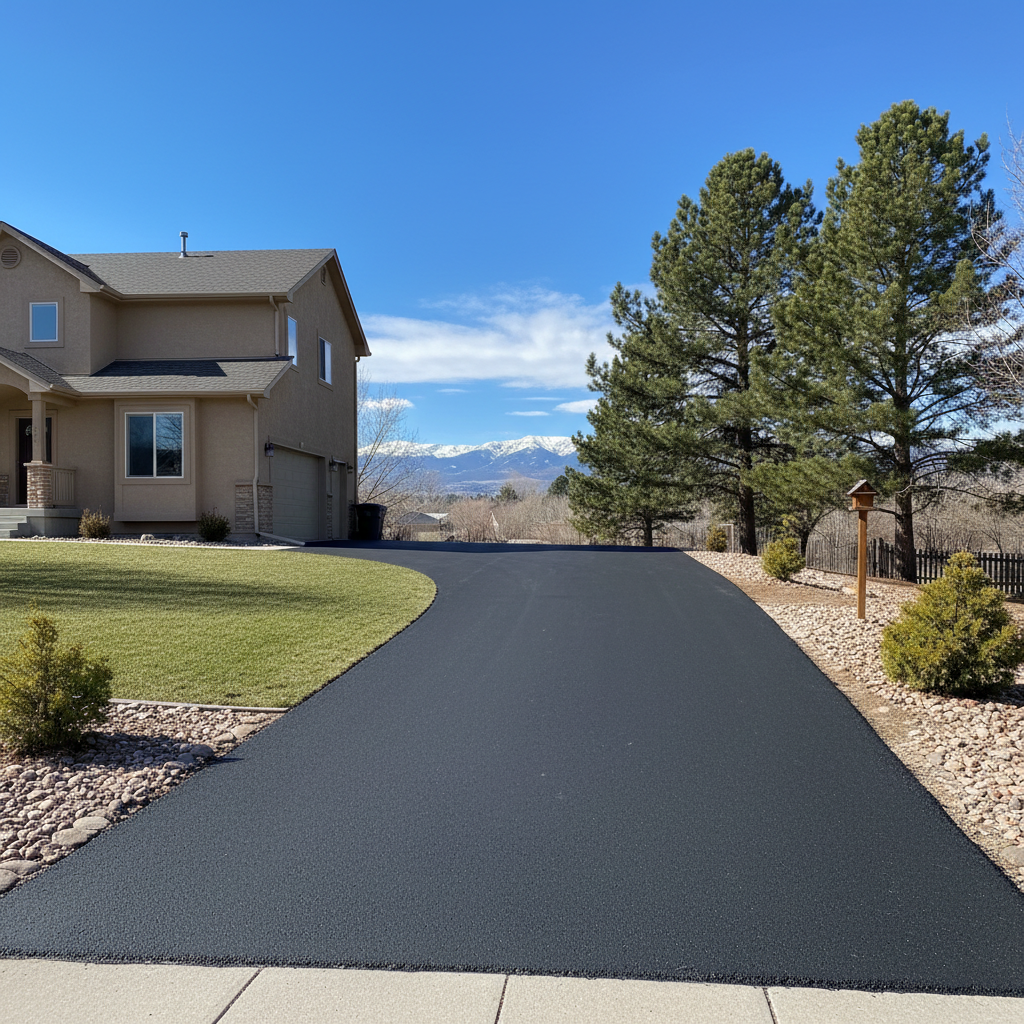
So, you're thinking about a new asphalt driveway, or maybe it's time to repave that old parking lot. Good call. But before you even think about picking up the phone, let's chat about something super important that a lot of folks just miss: timing. Here in Northglenn, our weather isn't just annoying; it really dictates how long your asphalt will hold up. Get the timing right, and your surface could last for decades. Get it wrong? You might see cracks popping up after just a few seasons.
When's the Best Time to Pave Asphalt in Northglenn?
Honestly, there's a sweet spot, and it's pretty obvious. We need consistent warmth, but not that scorching, blistering heat. And definitely no freezing temperatures. So, spring, summer, and early fall are your prime windows. I'd generally say late April through early October is ideal.
Spring (Late April - June): This time is often fantastic. The ground has fully thawed, and daytime temperatures are reliably above 50°F. That's critical, you know, for asphalt to cure right. You really don't want the ground still holding onto winter's chill when we lay down hot asphalt. That can cause problems down the road.
Summer (July - August): Still a good time, for sure, but we really have to watch out for extreme heat. Asphalt needs warmth, yes, but laying it when it's 95°F and sunny every single day can make it a little too pliable during installation. It might just take longer to fully harden. Plus, those afternoon thunderstorms we get, especially around the Thornton Parkway area, can pop up fast and ruin a fresh pour. We're always glued to the forecast.
Early Fall (September - Early October): Another excellent window. The ground is still warm, and the air temperatures are usually just perfect—not too hot, not too cold. You get those clear, crisp days that are ideal for the material to set up properly before winter's freeze-thaw cycles kick in. Once we start seeing overnight lows consistently dip below freezing, we're usually done paving for the year.
Why Does Temperature Matter So Much?
It all comes down to the chemistry and physics of asphalt. When we lay hot asphalt, it's a liquid mix of aggregate and bitumen. It needs to cool and compact just right. If it's too cold, it cools too fast, making it tough to compact tightly. That means you get a weaker surface, one that's more likely to crack and get potholes. If it's too hot, it can stay too soft for too long, making it susceptible to rutting or displacement before it fully cures.
The ground temperature is just as important as the air temperature. If the ground is cold, it just sucks the heat right out of the asphalt too quickly. Think of it like trying to bake a cake on a frozen pan—it just won't work out.
Weather Conditions to Avoid
Beyond just temperature, a few other things will make us reschedule a paving job:
Rain: This is a big one. You simply cannot pave asphalt in the rain. Water stops the asphalt from bonding properly, leading to a weak, unstable surface that will fail way too soon. Even a light drizzle can be enough to call it off.
Snow/Ice: This should be obvious, right? If there's any snow or ice on the ground, we're not paving. The surface needs to be completely dry and clear.
High Winds: While not as critical as rain or freezing temperatures, really high winds can make it tough to work with the hot material. They can also cool it down too quickly, especially on bigger projects.
Protecting Your Investment Year-Round
Once your asphalt is down and cured, your job isn't over. Northglenn's climate—with its intense sun, dry air, and brutal freeze-thaw cycles—is really tough on pavement. Here's how to keep it looking good and lasting a long time:
Sealcoating: This is your first line of defense. I recommend sealcoating every 2-3 years. It protects against UV rays, water getting in, and oil/gas spills. Think of it as sunscreen for your driveway, if you will.
Crack Filling: As soon as you spot a crack, fill it. Water is asphalt's worst enemy, no kidding. When water gets into cracks, it expands when it freezes, making the crack bigger. That's how potholes start, you know. Don't wait.
Prompt Repairs: Don't let small issues turn into big ones. A small pothole is a cheap fix; a large, crumbling section is a much bigger headache and cost.
Drainage: Make sure water drains away from your asphalt, not on it or pooling up. Proper grading is something we ensure during installation, but sometimes landscaping changes or heavy snowmelt can create new problems.
Look, your asphalt driveway or lot is a pretty big investment. Here at M5 Distribution, we want to make sure it's done right the first time and lasts as long as possible. Understanding our local climate and planning your project accordingly is a huge part of that. Don't hesitate to reach out if you've got questions about timing or anything else.