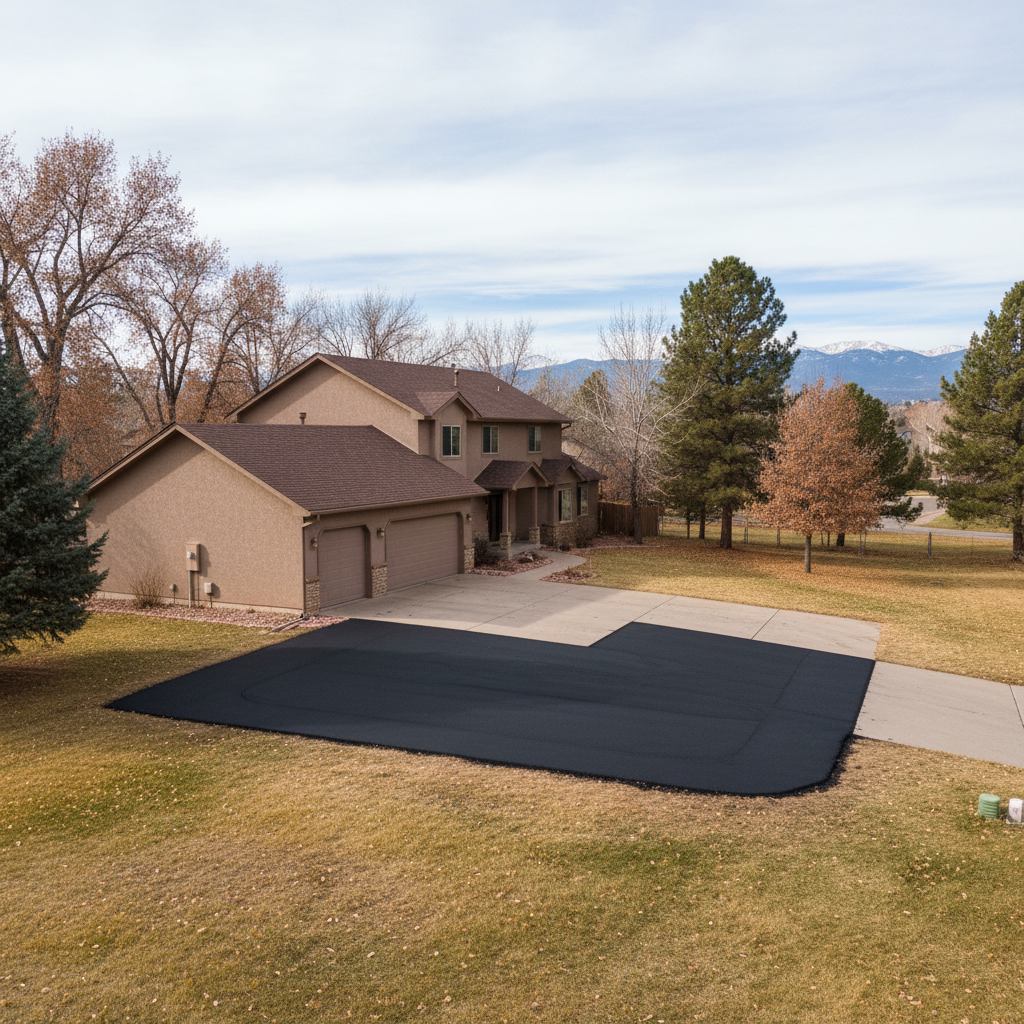
So, your asphalt driveway or parking area is looking a bit rough, huh? Cracks, potholes, maybe some crumbling edges? It's not just an eyesore; those little issues can turn into big, expensive problems if you let 'em go too long. Planning an asphalt repair project can feel a bit daunting, but it really doesn't have to be. I'm here to give you the lowdown on what to expect, from start to finish, so you can go into it with your eyes wide open.
Setting Your Project Timeline: What to Expect
First off, let's talk timing. Asphalt work depends a lot on the weather. You can't exactly lay down hot asphalt in the middle of a snowstorm, right? Here in Northglenn, that usually means the perfect time for repairs is late spring through early fall. Think May to October, generally. If you're looking at a major repair, like a full overlay or a significant patch, you'll want to get on a contractor's schedule well in advance. Good crews, like us at M5 Distribution, book up fast, especially when the weather's nice.
- Initial Contact to Quote: This can be quick, sometimes a few days. But during peak season, it might take a week or two for someone to get out and give you an accurate estimate.
- Quote Acceptance to Start Date: Once you approve the quote, don't expect them to show up the very next day. Depending on the crew's current workload and material availability, it could be anywhere from a couple of weeks to a month or more.
- Actual Work Duration: Most residential repair jobs aren't huge. A typical crack seal, pothole repair, or small patch might take a few hours to a full day. Larger sections or multiple repairs could stretch to two days. They'll tell you upfront.
- Curing Time: This is crucial. After the work's done, you can't just drive on it immediately. For crack sealing, it's usually a few hours. For larger patches or overlays, you're often looking at 24-72 hours before you can drive on it, and sometimes a week or more for heavy vehicle traffic. Your contractor will give you specific instructions.
The Repair Process: What Happens on Site
When the crew shows up, you'll see a pretty standard sequence of events, depending on the type of repair. It's not rocket science, but it takes skill and the right equipment.
For crack sealing, they'll clean out the cracks thoroughly – sometimes with compressed air or a wire brush – then apply the hot rubberized sealant. It's pretty straightforward.
Pothole or larger patch repairs are a bit more involved. The crew will usually cut out the damaged section in a neat, square shape. This ensures a clean edge for the new material to bond to. Then they'll clean out the base, make sure it's stable, apply a tack coat (that's like glue for asphalt), and then lay down the new hot asphalt. They'll compact it with a roller or a plate compactor until it's smooth and level with the surrounding pavement. You'll hear some noise, see some heavy equipment, and smell that distinct asphalt scent. It's all part of the process.
For an overlay, which is essentially a new layer of asphalt over your existing one, they'll clean the surface, fix any major potholes or failing areas first, apply a tack coat over the entire surface, and then pave a new layer of asphalt. This is a bigger job and takes more time and equipment.
How to Prepare Your Property for the Crew
You've got a start date; now what? A little prep on your end goes a long way in making the job go smoothly and quickly.
- Clear the Area: Move your cars, boats, RVs, trash cans, basketball hoops, potted plants – anything that's on or near the asphalt surface that needs repair. If it's in the way, move it.
- Inform Neighbors: Especially if the work might affect shared access or create temporary noise. A quick heads-up can prevent misunderstandings.
- Mark Sprinklers/Obstacles: If you have any invisible dog fences, sprinkler heads, or delicate landscaping right along the edge of the asphalt, mark them clearly with flags or paint. We try our best, but sometimes things get missed if they're not obvious.
- Ensure Access: Make sure the crew has clear access to the work area. If they need to bring in heavy equipment, ensure gates are unlocked or obstacles are removed.
- Plan for No Access: Remember that curing time? You won't be able to use the repaired area for a while. Plan where you'll park your vehicles and how you'll get in and out of your house.
One thing I've noticed in older Northglenn neighborhoods, especially those with mature trees like in the Huron Heights area, is that tree roots can sometimes cause asphalt damage. If you suspect roots are an issue, it's worth mentioning it to your contractor so they can assess the situation during the estimate.
Crucial Questions to Ask Before Signing a Contract
Don't just sign the first thing put in front of you. You're making an investment, and you deserve to know exactly what you're getting. Here are some questions you absolutely need to ask:
- What exactly does the quote include? Is it just the repair, or does it include cleaning, removal of debris, and any necessary base work? Get it in writing.
- What type of asphalt or sealant are you using? There are different grades and types. A good contractor will be happy to explain their materials.
- What's the warranty on your work? How long does it last, and what does it cover (and not cover)? Get this in writing too.
- How long will I need to stay off the repaired area? Get a clear timeframe for foot traffic and vehicle traffic.
- What's your payment schedule? Do you require a deposit? When is the final payment due? Avoid paying the full amount upfront.
- Are you licensed and insured? This isn't just a formality. It protects you if something goes wrong. Ask for proof of insurance (liability and workers' comp).
- Can you provide references? A reputable contractor should have no problem giving you names of past clients.
- What's the plan for site cleanup? Will they remove all debris, or am I responsible for anything?
- What happens if we encounter unexpected issues? For example, if they dig up a pothole and find a major drainage problem underneath, how will that be handled and priced?
Getting these answers upfront will save you headaches down the road. A good asphalt contractor, like us at M5 Distribution, will be transparent and happy to answer all your questions. We want you to feel confident in the work we do. Taking the time to plan and ask the right questions means you'll end up with a repair that lasts and a smooth experience overall.