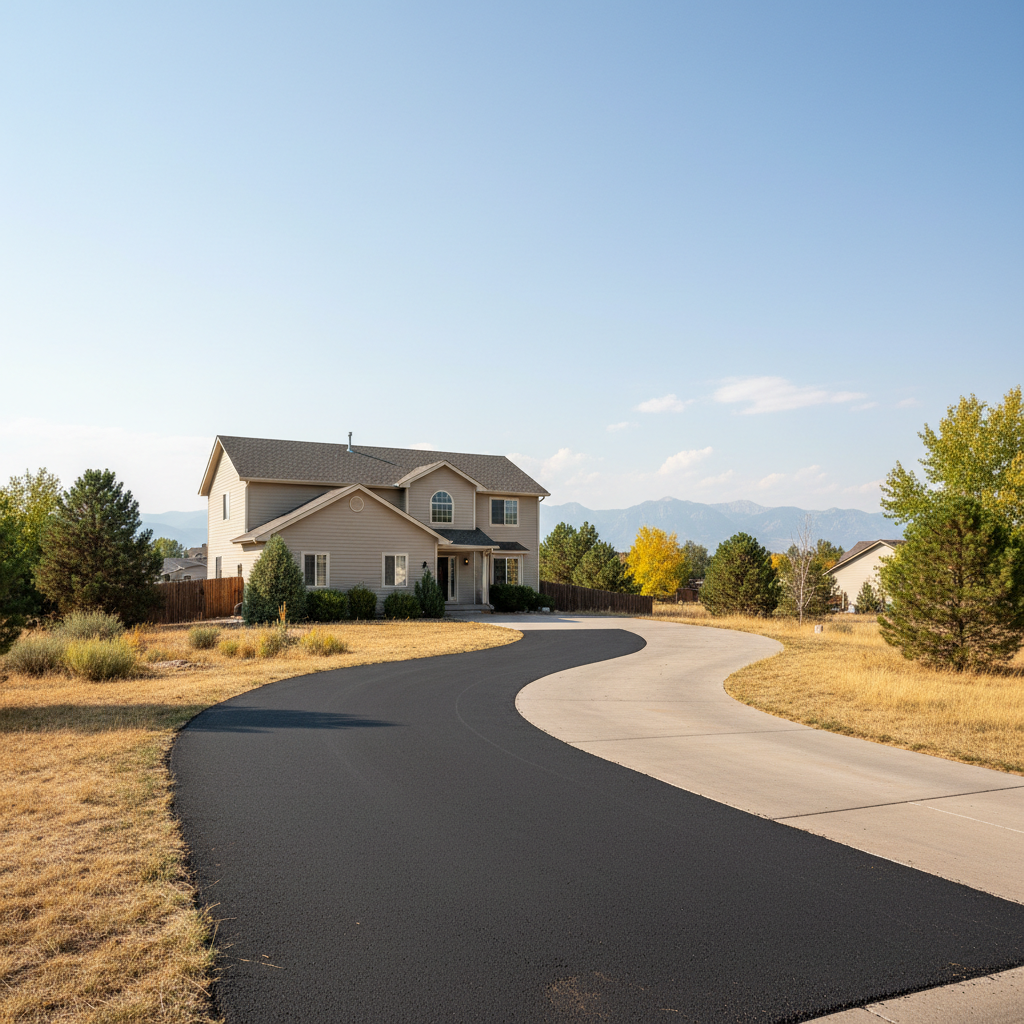
Getting Ready for Your Northglenn Asphalt Repair
So, you've got cracks, potholes, or maybe just some serious wear and tear on your asphalt. You know it's time for a repair, but where do you even begin? It's not like buying a new TV, is it? This isn't just about picking a contractor; it's about understanding the whole process so you don't get hit with any surprises.
First things first, let's talk about timing. If you're thinking about getting this done, you're probably already checking the calendar. Asphalt work, especially repairs that use new material or big patches, works best when it's warm. I'm talking consistent daytime temperatures above 50 degrees Fahrenheit. Here in Northglenn, that usually means late spring through early fall. Trying to do major asphalt repairs when it's too cold, or when we're getting those late-season snow flurries, just won't give you a lasting fix. The material won't cure right, and you'll be back to square one faster than you think. So, if it's November and you're reading this, you're probably planning for next year.
What to Expect During the Repair Process
Once you've got a contractor lined up and a date set, what actually happens? It's not a one-day magic show, though some smaller repairs can be quick. For most residential asphalt repair projects, here's the general flow:
- Assessment and Prep: The crew will come out, mark the areas that need fixing, and get everything ready. This might mean clearing debris, sweeping, or even cutting out sections of old asphalt. They'll make sure the base is solid. If the base isn't good, your new asphalt won't last, simple as that.
- Cutting and Removal: For bigger patches, they'll use special saws to cut out the damaged parts. Then they'll take out the old material. This can be noisy and a bit dusty, so be ready for that.
- Base Repair (If Needed): If the problem goes deeper than just the surface, they might need to dig down and repair or reinforce the sub-base. This step is crucial for preventing future issues.
- Applying New Asphalt: They'll put down a tack coat to help the new asphalt stick, then lay the fresh hot mix. This is where you see the magic happen. The crew will rake and smooth it out.
- Compaction: Rollers, often vibrating ones, will compact the new asphalt. This makes sure it's dense and strong, which is a critical step for durability.
- Curing Time: This is where your patience comes in. You won't be able to drive on it right away. Your contractor will give you specific instructions, but generally, you're looking at 24-72 hours before light traffic, and maybe a week or more for heavy vehicles. Don't push it; you'll regret it.
The whole process, depending on the size and how complicated it is, could take anywhere from a few hours to a couple of days. It's not usually a weeks-long ordeal for a typical driveway repair.
How to Prepare Your Property
You've got a date, you know what's coming. So, how do you get your place ready? It's pretty straightforward, but important:
- Clear the Area: Move your cars, bikes, trash cans, planters — anything that's on or near the asphalt. The crew needs clear access, obviously.
- Inform Neighbors: If the work might impact their access or create noise, give your neighbors a heads-up. A little courtesy goes a long way, don't you think?
- Secure Pets and Kids: This is a construction zone. Keep pets indoors or secured, and make sure kids know to stay far away from equipment and hot materials.
- Mark Sprinklers/Utilities: If you have any underground sprinkler heads or shallow utility lines near the repair area, mark them clearly. While contractors are usually careful, it's better safe than sorry. Especially with the clay soil we've got in parts of Northglenn, digging can be tricky, and you really don't want surprises.
- Plan for Access: Remember that curing time? You won't be able to use your driveway. Plan where you'll park your car, and how you'll get in and out of your house if your main access is blocked.
Crucial Questions Before You Sign
Before you commit to anything, you've got to ask the right questions. Don't be shy; you're paying good money for this. Here's what I'd want to know if I were in your shoes:
- What exactly is included in this quote? Make sure it's itemized. Is it just patching, or are they addressing the underlying issues? Does it include cleanup and disposal of old material?
- What kind of asphalt mix are you using? There are different types, you know. For residential repairs, you want something durable.
- What's the warranty on the work? A reputable contractor, like us at M5 Distribution, will stand behind their work. Get it in writing.
- How long will the repair take, and what's the curing time? Get clear expectations for when you can use your asphalt again.
- What's their plan for site protection? How will they protect my lawn, house, or other property from overspray or damage?
- Are they licensed and insured? This isn't optional. Ask for proof. You don't want to be liable if something goes wrong.
- Can they provide references? Talk to other homeowners they've done work for.
- What's the payment schedule? When is the deposit due, and when is the final payment expected? Avoid paying everything upfront.
Asking these questions upfront saves you headaches down the road. It shows you're serious, and it helps you pick a contractor who's serious about their work too. Do your homework, get a solid plan, and you'll end up with a repair that lasts.