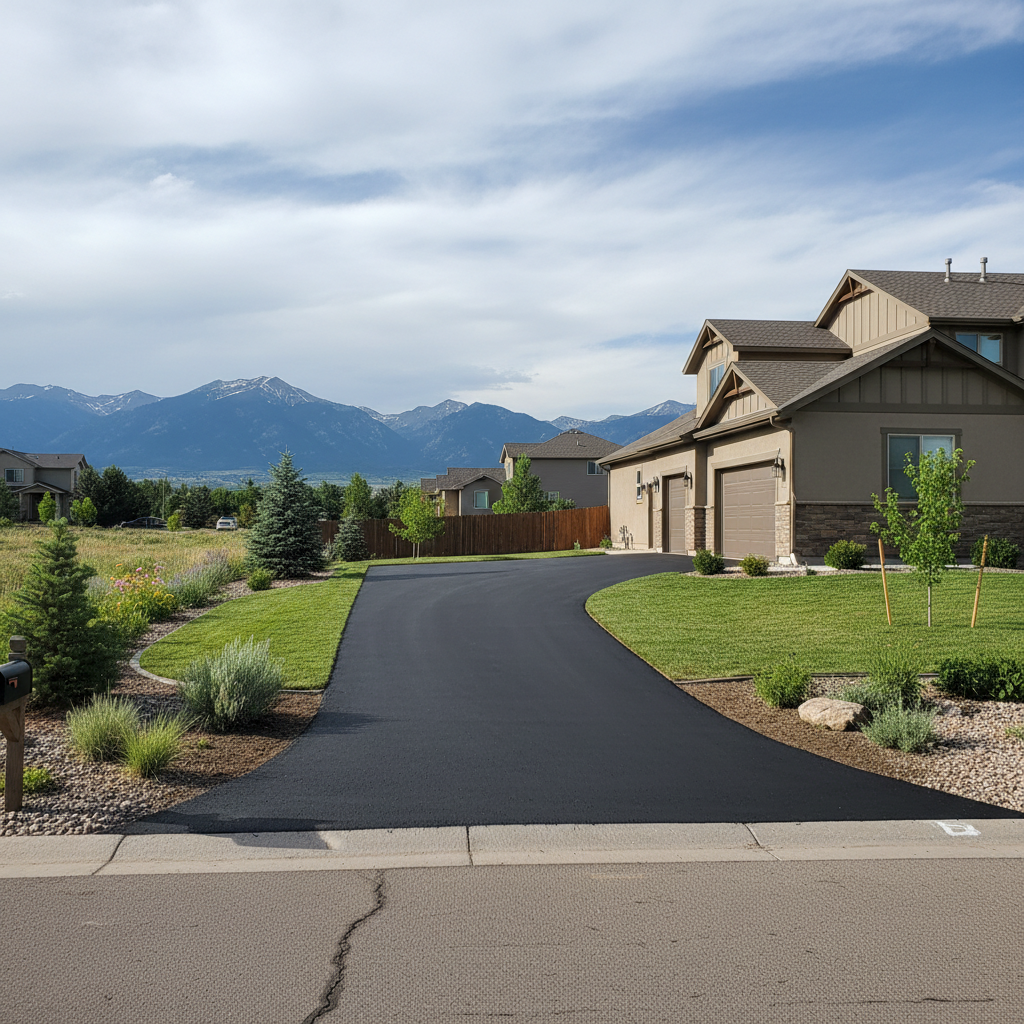
So, you're thinking about getting a new driveway, huh? That's a pretty big project, and honestly, you want to get it right. I've seen plenty of driveways come and go around Northglenn over the years, and I can tell you, good planning really does make all the difference. Nobody wants surprises, especially when you're talking about something that affects your home's curb appeal and how you use it every single day.
Setting Your Project Timeline
Let's talk about timing first, because it's more than just when the crew shows up. A full driveway paving project, from your first thought to driving on it, can take longer than you might expect. We're not just pouring asphalt and calling it done, after all.
- Initial Inquiry & Quote: This part can easily take a few days, maybe even a week. You'll call a few contractors, they'll come out, measure things up, check out your old driveway (or where it's supposed to be), and then send over a quote. Don't rush this bit. Get at least two, maybe three, quotes so you can really compare apples to apples.
- Scheduling: Once you pick a contractor, you'll need to get on their calendar. Good contractors are usually pretty busy, especially during our prime paving season here in Colorado – that's typically late spring through early fall. You might be waiting a few weeks, or even a couple of months, depending on the time of year and how swamped the company is. My advice? Plan way ahead!
- Permits: This is a big one. You'll probably need a permit from the City of Northglenn for any major driveway work, especially if you're changing its size, where it sits, or if you're messing with that apron connecting to the street. Your contractor should handle this for you, but it definitely adds time. Figure anywhere from a week to a few weeks for that permit to get approved.
- Actual Construction: For a typical house driveway, the actual paving process usually takes about 1-3 days. That includes ripping out the old stuff, grading, getting the base ready, and then laying down the asphalt. Bigger or trickier jobs might take a bit longer, of course.
- Curing Time: Once the asphalt is down, you can't just drive on it right away. It needs time to cure and harden up. We usually tell folks to stay off it for at least 3-5 days, and sometimes even longer if you've got heavy vehicles or if it's super hot out.
So, if you add all that up, from your very first phone call to finally driving on your shiny new surface, you're easily looking at a 4-8 week process. Sometimes more! It's definitely not something you just buy on a whim.
What to Expect During the Process
Alright, so you've got a contractor, you're on the schedule, and the permit's all approved. Now what happens when the crew actually shows up?
- Demolition & Excavation: First things first, if you've got an old driveway, it's coming out. This part is loud, dusty, and involves some serious heavy machinery. They'll break up the old material (concrete or asphalt) and haul it away. Then, they'll dig out the area to the right depth for your new base.
- Grading & Base Preparation: This is probably the most important step for a driveway that actually lasts. The crew will grade the area to make sure water drains away from your house and other structures, which is crucial. Then, they'll lay down and compact a really strong aggregate base. This base is what holds up the asphalt, so it absolutely needs to be solid and even. If your house is in one of those older Northglenn neighborhoods with expansive clay soils, getting this base just right is even more critical to stop future cracking and shifting.
- Asphalt Paving: This is the exciting bit! Hot asphalt mix will arrive, get spread out evenly, and then compacted with rollers. You'll see steam, and yes, it'll smell like asphalt for a little while. The crew works pretty fast to get it laid and smooth before it cools too much.
- Cleanup: Once the asphalt is down and cool enough for the crew to walk on, they'll clean up the site, get rid of any debris, and leave things looking tidy.
It's a pretty intense process, but once it starts, it's usually over relatively quickly. Just be ready for a bit of disruption to your normal routine for a few days.
How to Prepare Your Property
You've got a part to play too! Here are a few things you can do to make the job easier for everyone and keep your property safe:
- Clear the Area: Move everything off the driveway and the immediate surrounding spots. Cars, trash cans, planters, kids' toys, bikes – seriously, everything needs to go.
- Trim Landscaping: If you've got bushes, trees, or other plants close to the driveway, give them a good trim back. This gives the crew room to work and protects your plants from the machinery.
- Mark Sprinkler Heads: This is super, super important. If you have any sprinkler heads or invisible dog fences near the driveway, mark them clearly with flags or paint. We always try our best, but sometimes things get missed, and you really don't want a broken sprinkler line.
- Secure Pets & Kids: Keep your pets and children well away from the work area. Heavy machinery, hot asphalt, and busy workers aren't exactly a good mix for curious minds or paws.
- Plan for Access: You won't be able to use your driveway for a few days, remember? Think about where you'll park your cars, and how you'll get in and out of your house if the driveway is your main way in.
- Talk to Neighbors: Give your neighbors a heads-up. There will be noise, dust, and possibly some temporary traffic disruption. A little communication goes a long way, believe me.
Questions to Ask Before Signing That Contract
Before you commit to anything, you absolutely have to ask the right questions. This protects you and helps make sure you're getting a quality job from a reputable company, like M5 Distribution.
- What's included in the price? Get a detailed breakdown. Does it cover digging out the old stuff, hauling it away, preparing the base, the asphalt itself, and cleanup? Are there any hidden fees lurking?
- What kind of base will you use, and how thick will it be? Like I said, the base is critical. You want to know they're not cutting corners here.
- How thick will the asphalt layer be? For residential driveways, you're usually looking for 2-3 inches of compacted asphalt.
- Who pulls the permits, and is that cost included? Make sure this is crystal clear.
- What's your warranty? A good contractor will stand behind their work, no question. Understand what's covered and for how long.
- Can you provide references? Ask for contact info for a few recent customers. And then call them!
- Are you licensed and insured? Don't even think about hiring a contractor who isn't. You need to be protected in case of accidents or any other issues.
- What's the payment schedule? Reputable contractors typically ask for a deposit, with the rest due when the job's finished. Be wary of anyone asking for a huge upfront payment.
- How do you handle drainage? This is especially important if you've had water problems in the past. They should have a solid plan to make sure water flows away from your home.
Asking these questions upfront will save you a ton of headaches later on. A new driveway is a big investment, and you want to feel totally confident in the company you pick and the work they'll do. Do your homework, plan ahead, and you'll end up with a driveway that looks fantastic and lasts for years.